How to buy an investment property in Singapore: a practical step-by-step guide
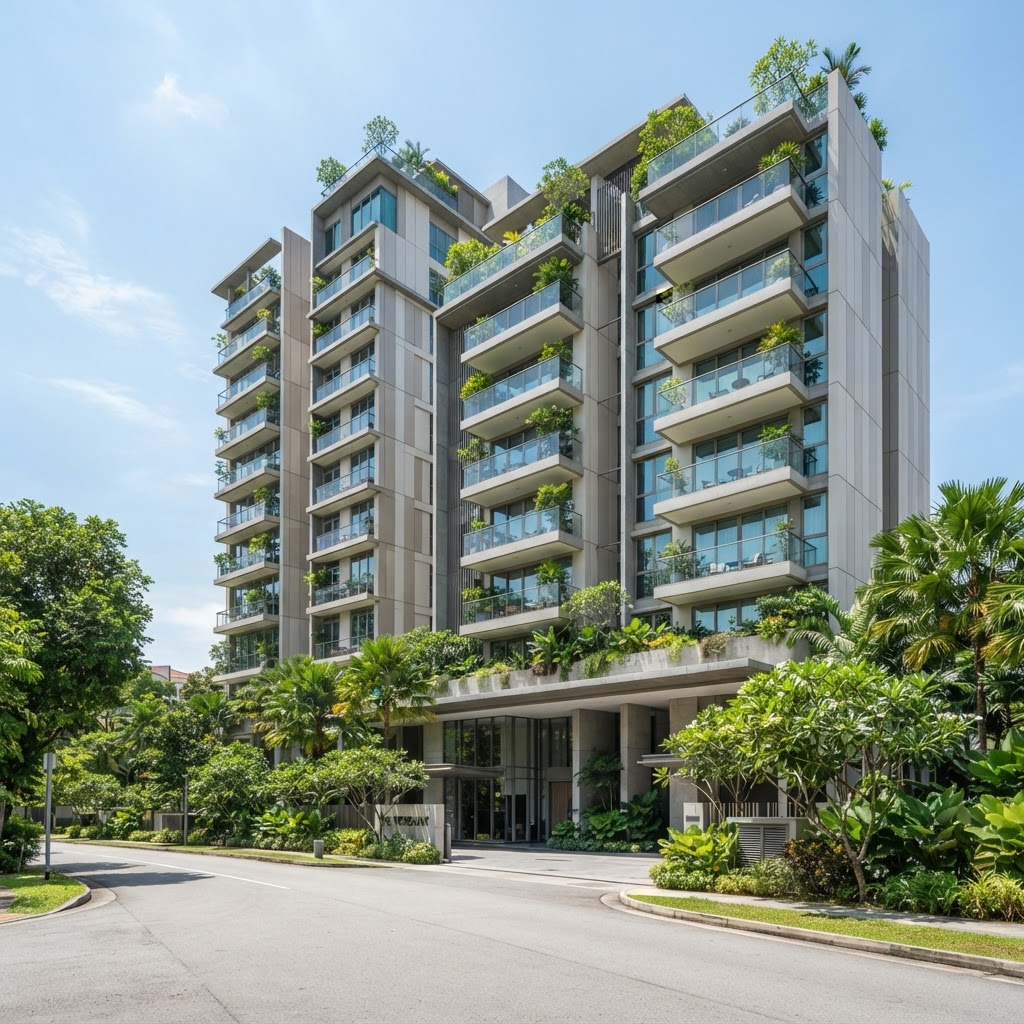
Buying an investment property in Singapore starts with your goal, financing limits and taxes. Follow these six practical steps before you view or commit to any unit.
Direct answer
To buy an investment property in Singapore, start with a clear goal and budget, then check your financing limits, the stamp duties that apply to you, and the type of property that suits your tenant plan. Research official transaction records, view with a checklist, and work with a CEA-registered agent. Confirm every rule on the official agency pages before you commit.
Start with your goal and your holding plan
Before you look at any listing, write down why you are buying. An investment property can serve rental income, long-term holding or a later sale, and each goal points to a different location, size and condition. Decide how long you plan to hold the unit and how you will cover costs if it stays vacant for a while.
Set a realistic all-in budget that includes the deposit, duties, legal fees, renovation and a cash buffer. Treat the budget as a limit you will not stretch, because a purchase made under pressure is hard to undo.
Check your financing limits early
Banks apply national rules when they assess a property loan. The MAS explains the Total Debt Servicing Ratio, which looks at all your monthly debt obligations against your income, in its TDSR explainer for property loans as of November 2026. Read it before you fall in love with a unit.
The MAS also publishes rules on loan tenure and loan-to-value limits, set out in its explainer on loan tenure and loan-to-value limits. These limits affect how much cash you need upfront, so speak to your bank about your own position.
Understand the stamp duties you may pay
Buying property triggers stamp duty. IRAS explains Buyer's Stamp Duty on its page for Buyer's Stamp Duty (BSD), which applies when you acquire residential property, as of November 2026. Ask your lawyer to confirm the exact duty payable on your purchase before you exercise any option.
IRAS also sets out Additional Buyer's Stamp Duty, which can apply depending on your residency status and how many properties you own. Check the IRAS page on Additional Buyer's Stamp Duty (ABSD) for your situation, because these duties can change what an investment purchase costs.
Choose a property type that fits your tenant plan
Residential, commercial and industrial units attract different tenants and follow different rules. Think about who will rent the unit, how long they usually stay and what they need nearby. If you are weighing a shop or office unit, our guide to commercial property shows how that route differs from a home.
Public housing has its own conditions. HDB sets out the rules that apply after you buy a resale flat on its page for conditions after buying a resale flat, as of November 2026, so confirm eligibility before you plan an investment around a flat.
Research transactions and view with a checklist
Use official records to see what similar units have actually sold for. URA provides a private residential transaction search where you can compare recent transactions in the area you are considering.
When you view, bring a checklist: condition of the unit, aircon and fittings, noise, access, nearby amenities and the cost of any repairs. Take photos and notes so you can compare units fairly instead of relying on memory. Visit at different times of day, because daytime and evening conditions can differ.
Work with a registered agent and plan what happens after
A purchase involves contracts, deadlines and large sums, so engage an agent you can verify. CEA explains how to check a property agent's registration on its page on how to check that a property agent is registered, as of November 2026. If you want support through the purchase, see our property buying service.
Plan the rental stage before you complete, including who will find tenants and handle repairs. Our rental and property management page explains how that ongoing support can be agreed in writing.
Frequently asked questions
Should I buy an investment property in my own name?
That depends on your finances, your plans and your advisers, so it is not something a general guide can decide for you. Ask your lawyer and your bank how ownership structure affects your loan, duties and future plans, and confirm the stamp duty position on the IRAS pages before you sign any option or agreement to buy.
Do I need an agent to buy an investment property?
Many buyers use an agent because of the paperwork, timelines and negotiation involved, but whether you do is your own decision. If you appoint an agent, check that they are registered on the CEA public register first, and agree the scope of their service and any fees in writing before they start work for you.
How do I know if a unit is a fair price?
Compare it with recent official transaction records rather than asking prices alone, using the URA transaction search for private residential property. Look at similar units in the same project or area, and ask your agent to explain any gap between the asking price and recent transactions so you understand the reasoning.
Explore rental and property management · Property maintenance coordination