A vacant unit costs money twice: no rent is coming in, and every week of delay pushes the marketing further back. The condition of this apartment made the second problem worse. Months of vacancy, followed by a tenant departure that left the unit in poor shape, meant the property could not simply be photographed and listed.
The situation: a resale condo that could not be shown yet
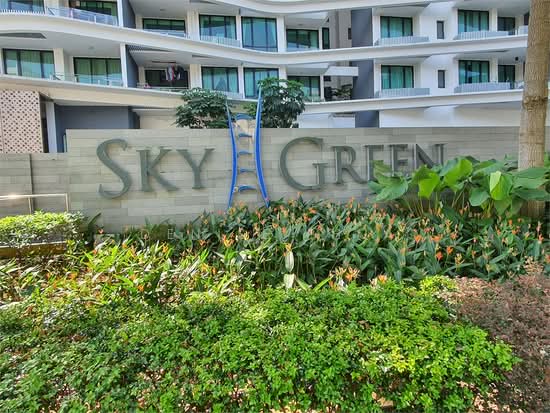
Mrs Lim owned a resale condominium apartment at Sky Green that had been sitting empty. By the time the previous tenant left, the condition of the unit made an immediate listing pointless. No serious tenant forms an offer on a property that looks neglected, and photographs taken in that state would have followed the listing for months.
The work itself was not unusual. What made it difficult was the number of moving parts: air-conditioning, painting, carpentry, floor varnishing, curtains, toilet and tile works, appliances and a full clean, each with its own contractor, its own arrival window and its own dependency on the trade before it.
For an owner, the real cost is not the invoice. It is being the person who has to be at the unit for every one of those visits, chasing the management office for access, and re-booking a trade that arrived while another job was still wet.
What was at stake
Every week the unit stays vacant is a week of lost rent, and the vacancy clock does not pause because the rectification work is unfinished.
Sequencing errors are expensive in their own way. Varnish laid before carpentry, painting completed before tile works, curtains hung before cleaning, and the unit goes back to the start. Losing the marketing window costs just as much: tenants who are ready to move do not wait for a listing that appears three weeks later.
What the owner would otherwise have had to handle personally
- Booking and attending every contractor visit at the unit
- Applying for renovation permits and complying with building access rules
- Working around the management office’s hours and the condominium’s conditions
- Approving quotations and variations while the work is already in progress
- Writing and publishing the rental listing, then screening enquiries
How Alicia handled it
This was not a single job. It was ten small jobs, one address, one calendar and one landlord who could not spend her week standing in an empty apartment.
Assess the unit and scope the work
Alicia walked the apartment, listed what had to be repaired or replaced, and separated what genuinely affected rentability from what could wait. That scoping kept the budget pointed at the things a tenant would notice and pay for.
Permits, access and the management office
Renovation paperwork, contractor registration and building access were handled with the condominium’s management office, so trades could enter the unit without the owner arranging a single visit.
Sequencing more than ten contractor groups
Air-conditioning, painting, carpentry, floor varnishing, curtains, toilet and tile works, appliance delivery and final cleaning were ordered so each trade started on a prepared surface. One coordinator meant one schedule to correct instead of ten.
Progress documented, approvals when the landlord was free
Updates and photographs were sent on WhatsApp as the work progressed. Quotations and approvals were raised in the quiet moments of the owner’s day, including after office hours, so the schedule did not stall waiting for a reply that a working landlord could not send at two in the afternoon.
Rental marketing running in parallel
The listing was prepared while the work was still in progress, so enquiries began before the final clean and the unit could be shown the moment it was ready to be seen.
Tenancy matters afterwards
Tenant screening, the tenancy documentation and the handover were managed through to completion, and the relationship continued into the tenancy itself.
What the outcome looked like
The apartment went from months of vacancy to presentable, marketed and occupied without the owner ever having to coordinate a contractor or sit through a site visit.
About one week on siteThe unit was restored, cleaned and ready to show in roughly a week of coordinated work
Marketing started before completionThe listing was already being prepared while the trades were finishing, so enquiries ran in parallel with the work
No contractor visits for the ownerPermits, access, entry and schedule corrections all sat with one coordinator
Key takeaways
- A vacant unit is a two-sided problem: lost rent and a listing that cannot be shown. Fixing the condition and preparing the marketing together shortens both.
- Sequencing is where renovation budgets leak. The right order matters more than the cheapest quotation for any single trade.
- Documenting progress in messages and photographs removes the need for the owner to be physically present to approve anything.
- If a landlord has to attend every contractor visit, the property is not really being managed. Access and coordination are the service.
- Marketing that starts during the work, not after it, is what turns a finished unit into an occupied one.
Frequently asked questions
Who handles renovation permits and contractor access in a Singapore condominium?
Permit applications and contractor registration go through the condominium’s management office. When the work is coordinated on the owner’s behalf, the adviser handles the application, the access arrangements and the contractor entry instead of the owner attending each visit.
How long does it take to make a vacant condo rentable?
For a unit in reasonable condition, preparation is measured in days rather than months. In this case the apartment was restored, cleaned and ready to show in about one week while the rental listing was already being prepared. The scope of works, the trades involved and the management office’s requirements decide the timeline.
Can a unit be marketed before the renovation is finished?
Yes, and it is usually the better approach. Photographs, copy and the listing can be prepared in advance so viewings begin as soon as the unit is presentable, rather than the listing going live after the final clean.
What does landlord support include after a tenant moves in?
Servicing, tenancy administration, tenant communication, renewals and ongoing property care. The aim is that the owner receives rent and updates rather than a list of tasks.
WHAT THIS CASE SHOWS
This case shows the operational side of landlord support: coordinating many small jobs, building access, owner approvals and tenant-readiness without consuming the landlord’s time.
Related services and reading
More real case studies
Discuss your property with Alicia Contact & credentials →
This is a real client case study based on a first-hand account. Individual transactions, timelines, contractor scope and investment outcomes vary.
← View all real case studies